
The World Health Organization has launched a new guide to help countries and organisations scale up psychological self-help interventions.
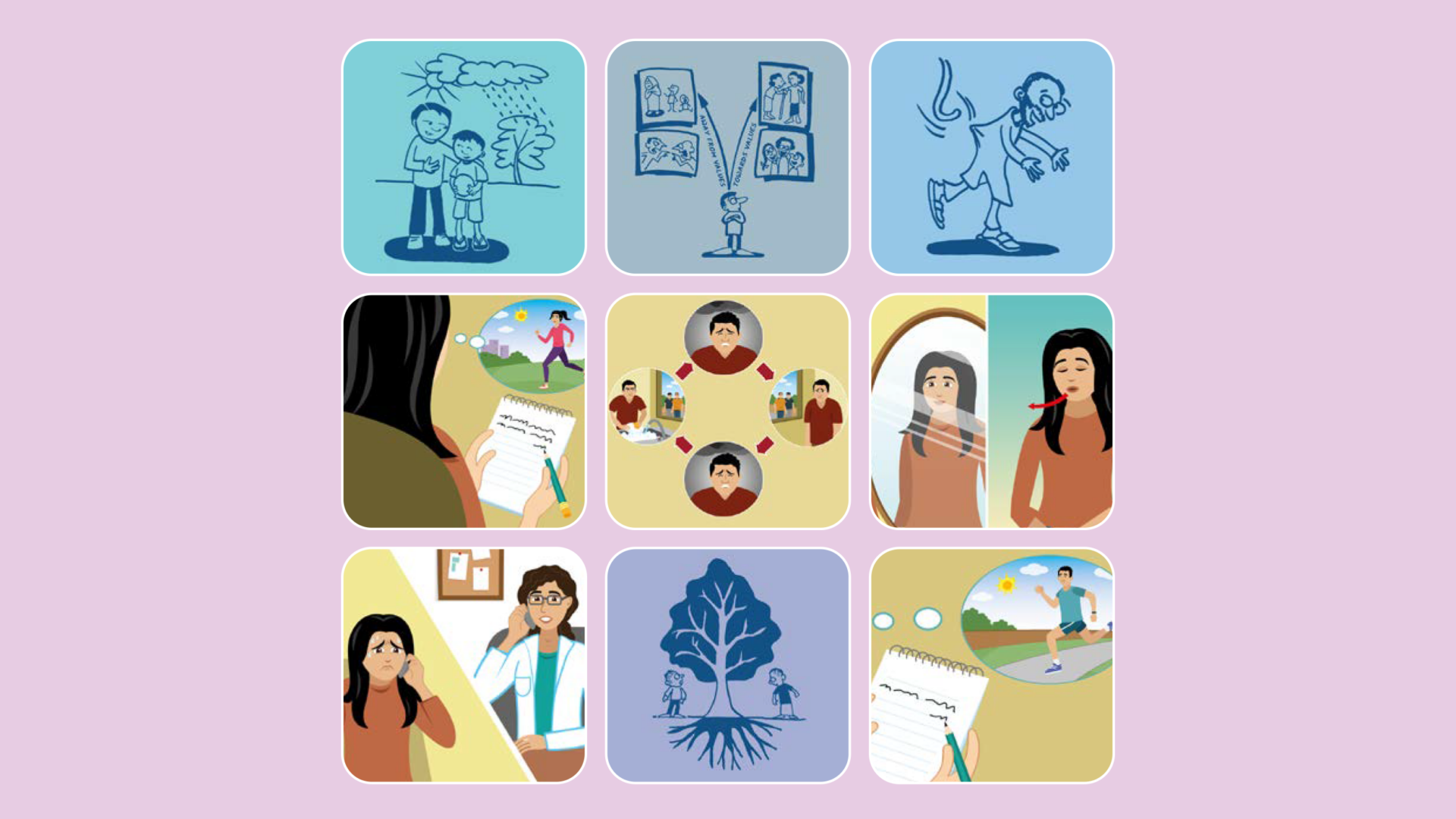
The manual, Psychological self-help interventions: delivering self-help for individuals, featuring Step-by-Step and Doing What Matters in Times of Stress, provides practical guidance on planning, adapting and delivering self-help support.
It focuses on two WHO psychological interventions:
- Step-by-Step, a digital self-help intervention for adults with depression
- Doing What Matters in Times of Stress, a stress management intervention based on acceptance and commitment therapy
The guide is aimed at programme managers, implementers, supervisors and frontline helpers working across health, humanitarian and community settings.
Why self-help matters
Many people worldwide live with a mental health condition but do not have access to effective care. WHO says psychological self-help can help close this gap by offering structured techniques that people can use in their own time.
Self-help can be delivered in different ways, including:
- remotely
- in community settings
- without guidance
- with brief support from a trained helper
Guided self-help may include short regular contact, such as around 15 minutes per week, from a trained and supervised non-specialist helper.
Evidence-based approaches
The two WHO interventions featured in the manual have been tested in randomised controlled trials and are already used in a range of countries.
Step-by-Step is available nationwide across Lebanon and Thailand and has also been adapted for WhatsApp in India. Doing What Matters in Times of Stress is available in more than 40 languages and is used in many countries, including Afghanistan and Ukraine.
WHO says the new guide will support global efforts to expand access to community-based, evidence-based mental health care.
Access the guide here: https://www.who.int/publications/i/item/9789240120785
For questions or opportunities to disseminate or implement these approaches, contact Dr Ken Carswell at carswellk@who.int.